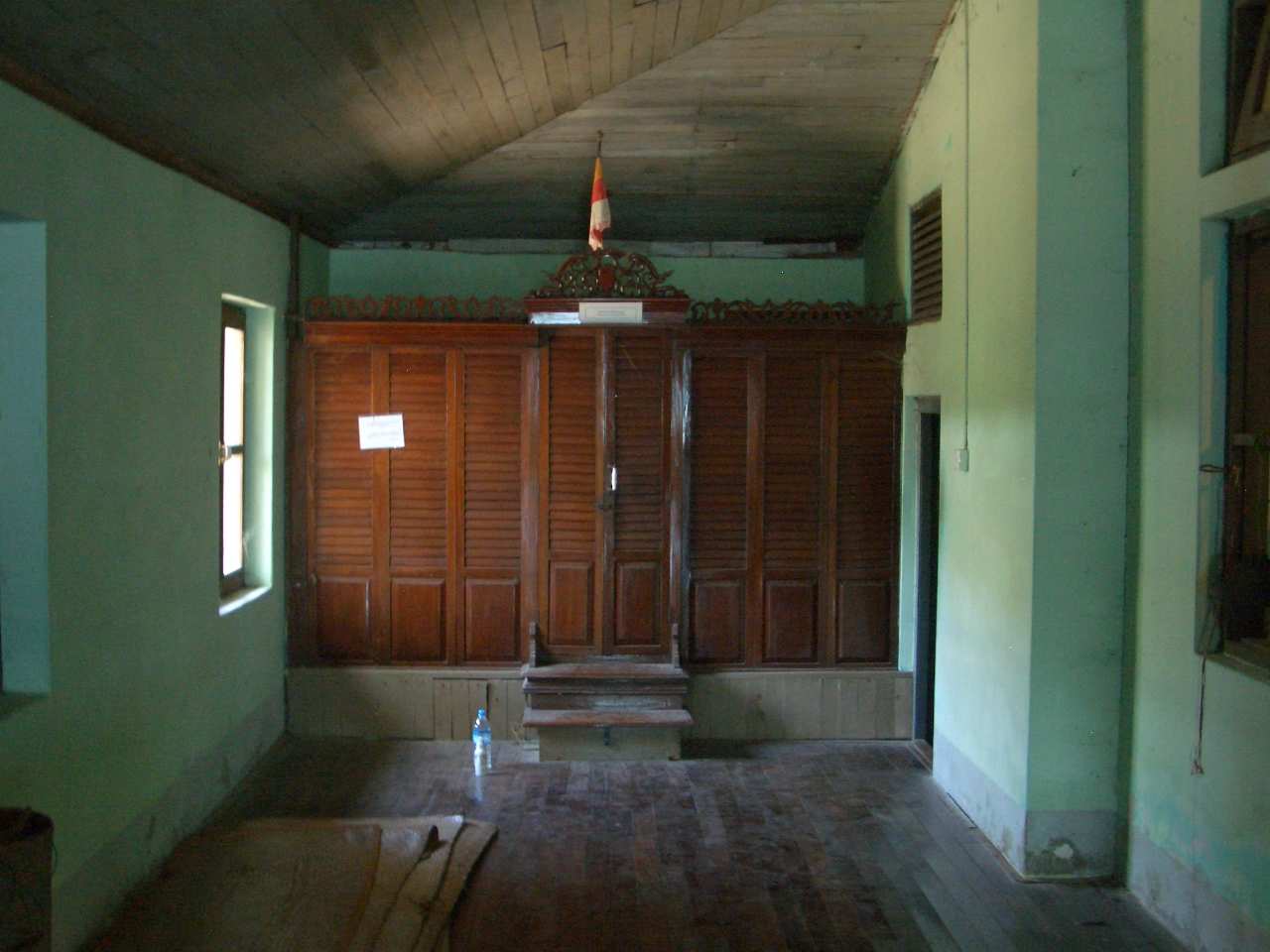
This is a video of Shwe Taung Oo Pagoda in Monywa. One begins by seeing the view of the Chindwin River beyond, and then the viewer is taken into Ledi Sayadaw Cave #2. However, the great monk spent most of his time meditating and teaching in the nearby Ledi Cave #1.
Showing posts with label caves. Show all posts
Showing posts with label caves. Show all posts
Friday, 29 August 2014
Shwe Taung Oo Pagoda: Ledi Sayadaw Cave #2

Sunday, 24 August 2014
Dana for a Sagaing Hills Monastery
 |
| Prekhemma Monastery kappiya Ko Bo Win prepares to take the Dhamma cycle out to pick up the curries with Koyingyi for the upcoming day. |
During the 2013-14 pilgrimages in Burma, pilgrims stopped at Prekhemma Monastery high up in the Sagaing Hills. While here, the foreign meditators generously gave dana to Prekhemma Sayadaw. They also enjoyed a Question and Answer session with the Sayadaw, viewing relics, and meditating in the cave on site.
Prekhemma Sayadaw now wishes to inform these yogis that the dana they have given went into buying, for the first time, a Dhamma cycle for the monastery. In all the past centuries at Prekhemma (for it is one of the oldest monasteries in the Sagaing Hills, with some records suggesting it may have been founded in the 11th century), it was always necessary for monks and novices to walk entirely down the hill and into town to collect the curries that would be offered for lunch from village home, a trip which took several hours. Now, with this recent donation, a kappiya drives the monk with his tiffin to the appropriate homes on the Dhamma cycle. This also means that the monks have more time to study, meditate, and recite suttas; time that in the past was spent in walking.
For all those pilgrims who gave generously on these pilgrimages, may you rejoice in knowing where your dana went. For all those who wish to rejoice at such good deeds upon hearing of them, may you also share in the merits.
For more information on how one can join a pilgrimage this coming winter, please see here.
Thursday, 14 August 2014
Passing of Sayadaw U Lakkhana
 |
| The view of the river from Kyaswa Monastery |
The organization Hawaii Vipassana has shared the following post concerning the passing away of the Venerable Sayadaw U Lakkhana. They also share the future of their Metta Dana project in the Sagaing Hills, as well as information about the annual January retreat held at Kyaswa Monastery.
In their words, "The most venerable Sayadaw U Lakkhana was an important teacher, collaborator, and friend and we will miss him very dearly. He offered a uniquely powerful voice of Dhamma rooted in kindness and compassion. His impacts on the world were many. We are profoundly grateful to him for the consistent spirit of generosity and kindness that he brought to all of his teachings."
 |
| View of Kyaswa Monastery |
The following is an excerpt of Kyaswa from the upcoming Shwe Lan guidebook:
Kyaswa is a 650-year-old monastery set by the river on the foothills of Sagaing, one of many precious sites to be found in the area. It is easily identifiable when one has ascended the Hills and is looking eastward, for its multi-colored cylindrical tin roofs almost resemble circus tent tops from a distance. The monastery compound takes advantage of the slight hilly terrain by tucking away many kutis and walking paths throughout its land, allowing yogis a sense of seclusion while never being very far away. There is also an old cave for meditation that is over one hundred years old, and it is said the previous Sayadaw took the vow of bodhisatta. And by cutting into the limestone hills that rise above the Ayeyarwaddy River, it has made even more room available that monks and yogis may make use of. As is customary, the Dhamma Hall is located at the highest spot on the compound, overlooking the river towards Mandalay and the Shan Plateau beyond. At its lower entrance, one walks down brick stairs past the guarding chinthes to watch the pleasant Ayeyarwaddy River flow along the service road.
 |
| Entrance to the cave |
 |
| Inside the cave |
Wednesday, 30 July 2014
The Caretaker monk of Ledi #1 cave in Monywa
Shwe Taung Oo Pagoda features two caves. One is where Ledi Sayadaw spent much of the period from 1900-1902 in meditation at night, after studying and teaching throughout the day. It was to this more secluded pagoda that he retreated from the increasingly busy Maha Ledi Monastery. In those days, carnivorous animals and poisonous snakes were common, and if the villagers were to be believed, ghosts and other hideous creatures as well. Still, the venerable monk was not entirely separated from human contact, as he continued his teaching duties and went on to write and publish several more books that were composed while he dwelt in these caves. Biographer Erik Braun also writes, “It is during this time that he began to formulate through his texts a vision of meditation that would be appropriate on a mass scale…his presentation of meditation to lay people… [was] a practice that did not require any jhāna cultivation at all.”
Past the main pagoda stupa, keep walking towards the field beyond, where you will soon see a red sign indicating the two Ledi caves, one to the right and one to the left. The more relevant cave is to the left, being the one where Ledi spent most of his time. An elder monk acts as the caretaker, and he has been here for twenty years. The cave is well ventilated and filled with natural light, and is a comfortable place for meditation. It can fit perhaps six to eight people comfortably. Several golden Buddha statues are inside, as well as an image of Ledi in sitting mediation to the left. Due to the high pilgrimage traffic, it’s not recommended to plan to sit here for longer than an hour or two, as there may be a fair amount of comings and goings and accompanying chatter.
Saturday, 28 June 2014
A Visit to Webu Monastery in Kyaukse
 |
| A life size statue of Webu Sayadaw depicts the venerable monk in a palanquin that was actually used during his lifetime. This is set next to a large Dhamma Hall where Webu would preach, before which, he always played his own recording of him chanting the Maha Sumaya Sutta, which is an invitation to devas and other celestial beings. |
Kyaukse has a very important place in the story of the Venerable Webu Sayadaw. It was in Kyaukse that the venerable monk reemerged after several years of intense meditation practice, the details of which even his biographers are not clear about and which may never be satisfactorily unearthed. Webu Sayadaw would go on to reside in this area for much of the rest of his life, although when the Webu Monasteries at Ingyinbin and Shwebo were established he would stay here only for the Rains Retreat. It is also believed he attained the third stage of liberation in Kyaukse, and later gained full liberation back in his native village of Ingyinbin. U Ba Khin met Webu for the first time here, and soon after he taught his first student, the train station attendant, upon Webu Sayadaw's advice.
As Webu began to get more known throughout the country, many lay supporters sought him out and monks came here hoping to learn under him, causing this center to slowly grow into its present size, a 200-acre monastery compound. U Ko Lay ordained twice at this Kyaukse center, once in 1960 and once several years later. While the old sites of significance from Webu Sayadaw’s life are still standing on the grounds, much of the original construction has been abandoned in favor of a newer monastery where monks, nuns, and lay people currently reside. Today the monastery grounds are also home to over fifty pagodas.
As Webu began to get more known throughout the country, many lay supporters sought him out and monks came here hoping to learn under him, causing this center to slowly grow into its present size, a 200-acre monastery compound. U Ko Lay ordained twice at this Kyaukse center, once in 1960 and once several years later. While the old sites of significance from Webu Sayadaw’s life are still standing on the grounds, much of the original construction has been abandoned in favor of a newer monastery where monks, nuns, and lay people currently reside. Today the monastery grounds are also home to over fifty pagodas.
 |
| This is the stone stairwell leading to the San Kyaung building, where many artifacts from the First and Second Webu Sayadaw are kept. Included here are relics, paintings, original alms bowls, and other such items. |
 |
| Foreign yogis mediate inside the very cave where Webu Sayadaw spent many of his days-- and nights-- when he first came to the Kyaukse area. |
 |
| A Canadian yogi ascends the stairs to San Kyaung. Above his head one can see placards hanging. One of these was sponsored by Sayagyi U Ba Khin, and his name and family and address are listed as well. |
Saturday, 3 May 2014
Chanting at Thanboddhay Monastery
When Pariyatti pilgrims descended upon Thanboddhay Monastery in Upper Burma in January 2014, they were pleasantly surprised to find nearly one hundred college students, who had arrived to chant Buddhist suttas at the holy site. The two groups were able to sit together in meditation for some time before making one another's acquaintance. One may be hard-pressed to imagine Western university students doing similar things in their free time!
Today, there are three distinct parts of the grounds: (1) the Thanboddhay area, (2), the old Mohnyin monastery and meditation center (sometimes known in English as Mohnyin Forest Monastery Retreat), and (3) Mogaung Pagoda. All sites were developed by Mohnyin Sayadaw, one of the earliest disciples of Ledi Sayadaw. He was advised by Ledi to spend ten years living in the forest, eating food only from alms rounds and avoiding speech with others. During the lifetime of Mohnyin Sayadaw, there were man-made “caves” or niches at this site where monks and yogis could sleep and meditate. It was also known as a site where many locals came to seek protection from the violence of World War II, and those that arrived were sheltered and kept safe until the war’s end. The Sayadaw was famous for laying down a strict code of discipline guaranteed to ensure the community’s survival, which prohibited waste of fuel and water, regular education to children, and daily maintenance and cleaning of the compound. As a result, thousands of Burmese survived when the Japanese left in 1945, and many of them following a strict Buddhist regimen as they did so. This resulted in the construction of a meditation center on the grounds following the war, as well as a pagoda and a collection of huts where yogis could stay for practice and carry on with their study. The grounds were divided in two, with monastics on one side and laypeople on the other, and further segregated by gender.
The monastery today bursts forward with color like few other Theravada Buddhist sites you will find in Myanmar. Built between 1939 and 1952 upon thirty-seven acres, it is believed to contain 573,888 distinct Buddha images and an additional 7350 relics and other holy material. Arriving at the complex, your eye sense door will be flooded with bright colors and your field of view will be filled with uncountable small Buddha images—some large statues but most are simple hand-sized figurines that literally cover the walls. The complex has been compared to Borobodur in Indonesia, and unlike other Burmese pagodas the entrances are not guarded by chinthe but instead by white elephants. Another unique feature is its shape, which has a square base topped by receding terraces, over which rise hundreds of small stupas (864 to be exact). There are many smaller monasteries to be found between the larger pavilions, each one featuring similar architectural style and motifs. Some statues feature fashionable ladies out of the 1930s on a stroll with parasols, dogs sneaking into open doorways, and some donors even commissioned their own likelihoods. There are several statues of Mohnyin Sayadaw himself, depicted at various stages in his life. One compound was even donated by the Tiger Balm family, easily identifiable by the two plaster tigers trying to scale the wall as two barefoot men in Western suits look on. There is also a large square pool filled with fish and turtles, known as Laik Kan, and the animals here are free from harm. Popped rice and watercress is sold nearby and can be fed to them by pilgrims. The large tower (completed in 1936) is called Arlain Nga Sint, or “Five Stages Spiral Tower”, and symbolizes the hair that Prince Siddhattha cut off before seeking his spiritual journey. The hair was said to float upwards, eventually reaching the King of the Celestials, who built Sulamuni Pagoda in the sky. Additionally there are twenty tagundaing (large decorated pillars), and many stone sculptures of different fruits that are venerated by local farmers.
To learn about current pilgrimage offerings, see here.
The monastery today bursts forward with color like few other Theravada Buddhist sites you will find in Myanmar. Built between 1939 and 1952 upon thirty-seven acres, it is believed to contain 573,888 distinct Buddha images and an additional 7350 relics and other holy material. Arriving at the complex, your eye sense door will be flooded with bright colors and your field of view will be filled with uncountable small Buddha images—some large statues but most are simple hand-sized figurines that literally cover the walls. The complex has been compared to Borobodur in Indonesia, and unlike other Burmese pagodas the entrances are not guarded by chinthe but instead by white elephants. Another unique feature is its shape, which has a square base topped by receding terraces, over which rise hundreds of small stupas (864 to be exact). There are many smaller monasteries to be found between the larger pavilions, each one featuring similar architectural style and motifs. Some statues feature fashionable ladies out of the 1930s on a stroll with parasols, dogs sneaking into open doorways, and some donors even commissioned their own likelihoods. There are several statues of Mohnyin Sayadaw himself, depicted at various stages in his life. One compound was even donated by the Tiger Balm family, easily identifiable by the two plaster tigers trying to scale the wall as two barefoot men in Western suits look on. There is also a large square pool filled with fish and turtles, known as Laik Kan, and the animals here are free from harm. Popped rice and watercress is sold nearby and can be fed to them by pilgrims. The large tower (completed in 1936) is called Arlain Nga Sint, or “Five Stages Spiral Tower”, and symbolizes the hair that Prince Siddhattha cut off before seeking his spiritual journey. The hair was said to float upwards, eventually reaching the King of the Celestials, who built Sulamuni Pagoda in the sky. Additionally there are twenty tagundaing (large decorated pillars), and many stone sculptures of different fruits that are venerated by local farmers.
To learn about current pilgrimage offerings, see here.
Sunday, 30 March 2014
The Sagaing Hills: "A Fairyland of Pagodas"
 |
| A view of the magical Sagaing Hills, resting on the Ayeyarwaddy, across from Mandalay. |
New Zealander yogis Bruce and Marion Forbes brought their two children to Myanmar in 2012. In the following passage, they share about their deep connection with the Sagaing Hills:
"We had heard about Sagaing from one of our meditator friends, Karen. She had described it as 'Fairyland' because of the numerous golden-spired pagodas in the hills. She had spent a very special time there, meditating in a cave. We knew that it was home to 6000 monks and was believed to be the place where Vipassana Meditation was kept alive over the centuries. My husband had also visited Sagaing 5 years earlier and had made friends with an trishaw driver, Maung Htay and a monk called Panna Sami, so we were all eager to visit. We spent a few days in Sagaing visiting friends, walking in the hills, taking in the sights, visiting monasteries and meeting the monks and nuns. After a few days, we visited Pyin Oo Lwin, a cool hill station which had been the summer capital of British Burma in a bygone era. Though picturesque, we found that we were missing Sagaing, so we returned for a few more days. Our days in Sagaing flowed so well. We had many wonderful experiences and our family felt so welcome, especially at the monasteries. Staying in Sagaing was the highlight of our trip in both Myanmar and India."
 |
| Two novices sit at the base of a stupa in the Sagaing Hills |
Thursday, 27 February 2014
Burma Yatra #2, Day 16: "Webu Sayadaw was right, as always..."
 |
| Happy Pilgrims arrive in Sagaing |
The following excerpt was written by an American yogi about the pilgrimage in Burma. To read about the previous day with Burmese nuns in Sagaing, go here. To read about the first pilgrimage group's experience as they explored Sagaing, see here. You can also consider joining a later pilgrimage in Burma.
 |
| In a scene harkening back to the Buddha's time, pilgrims gather under the pleasant shade of a tree to take in a translated Dhamma discourse of a local Sayadaw |
"Last night, a few pilgrims, sheparded by the kind European monk and accompanied by U Silananda, completed an evening of the sitter's practice at a local monastery in the Sagaing Hills.
The cave, carved into a cliffside, is where a reputed arahant is said to have spent many years. It has a sweet supportiveness to it, a refreshing change from the jangling at Ingyinbin.
The monastery next door had Patthana chanting on loudspeaker 24-7. According to the Sayadaw, this is only the second time this has happened in twenty years. Fortunately we had some good practice at Ingyinbin, where at times three separate loudspeakers from the eight villages would be going off at the same time.
The cave, carved into a cliffside, is where a reputed arahant is said to have spent many years. It has a sweet supportiveness to it, a refreshing change from the jangling at Ingyinbin.
The monastery next door had Patthana chanting on loudspeaker 24-7. According to the Sayadaw, this is only the second time this has happened in twenty years. Fortunately we had some good practice at Ingyinbin, where at times three separate loudspeakers from the eight villages would be going off at the same time.
 |
| As one Sayadaw said, "to come to Sagaing, you always needed two things: water and sila." Before the last generation, small Sagaing monasteries only survived by storing rain water during the Rainy Season, and having to have a big enough tank for it last throughout the year. For this reason, all of the Sagaing Hills monasteries today still have these old water tanks on their grounds. |
Although there were some good tussles with drowsiness during the extended sit, most of us felt surprisingly fresh in the morning.
Webu Sayadaw was right, as usual..."
To read about the following day in Mingun, see here.
Following are more pictures of the pilgrims' experience in the Sagaing Hills. Click any to enlarge them.
 |
| A Sayadaw received visitors, including and American monk (far left), who have come to pay respects and offer dana. |
 |
| Pilgrims are treated to a special Question and Answer section with a Sayadaw from the Sagaing Hills |
 |
| The beautiful sites among the Sagaing Hills, around which the one day meditation course took place |
Thursday, 16 January 2014
Burma Days 15 & 16: Pariyatti and Patipatti
For Day 14, see here. Kory Goldberg continues to share his personal journal about the current pilgrimage now underway in Burma. You can also consider joining a later pilgrimage in Burma yourself.
"As with every spot we’ve gone to, but different, our days in
Sagaing have been a real blessing. More important than the beautiful Buddhist
aesthetic, the lush gardens, delicious food and medium speed WiFi, the Sitagu
International Buddhist Academy has provided us with access to some of Burma’s
most learned Buddhist scholars who speak fluent English. Both our days here
have afforded us Q&A sessions with U Kumara, the university’s rector, whose
deep knowledge of scripture and practice has quenched our philosophical thirst.
Conversations have ranged from Abhidhamma analysis to meditative experience,
from mystical journeys to political musings, from historical fact to
mythological narrative. Between these intellectual sessions have been both
guided and solitary wanderings along the trails of Sagaing, visiting 900-year
old monasteries that gave birth to Buddhism in the region, caves vibrating with
the energies of awakened beings, and sugar-cane juice stands that replenish
lost electrolytes. On Day 15 many of us met with the very venerable Prekhemma
Sayadaw whose quiet and loving presence was yet another living expression of
the Dhamma. When not teaching his small retinue of dedicated monks, counseling
lay people, and overseeing maintenance and construction projects, this
50-something year old bhikkhu brimming with humility and kindness walks around
the forested, hill-side property practicing mettā-bhavana
for approximately 3 hours. And it shows.
After a brief discussion, most of
our group went off to meditate in the cave where the Sayadaw’s predecessor
resided for 30 years and became an arahant. Caves like these abound the Sagaing
hills, which are believed to have the highest concentration of enlightened
contemplatives anywhere in the world. Prekhemma Sayadaw then showed some of us
his teacher’s relics, as well as those of an unknown arahant. Since being in his
presence, the latter relics have multiplied and expanded, many of them growing
from the size of a sesame seed to that of a chickpea. This phenomena is said to
occur when the relics abide in the presence of stainless morality. After
examining and photographing the multi-colored relics, we meditated with them
for about half an hour. As with genuine Buddha relics and the Webu Sayadaw’s
relics at Ingynbin, I felt a coolness flow through my body and a deep sense of
peace in my mind. During moments like these, the mind is unhindered by the
typical incessant storylines and commentaries. Some craving arises to prolong
these profound moments; wisdom also arises, understanding that they too are
impermanent and ultimately dissatisfying.
 |
| A Sagaing Hills Sayadaw shows the relics of his teacher, a fully liberated being, to two pilgrims |
 |
| View of a long cave in the Sagaing Hills where one arahant practiced for 30 years |
 |
| Pilgrims walk at a monastery in the Sagaing Hills before a cave door opening where an arahant was known to practice, eating only a few spoonfuls of beans in his later years. |
On Day 16 we all meditated at the 900-year old Pa Bar Jaon
monastery overseen by a humble 28-year old Sayadaw, the youngest we’ve ever
come across. Some of us stayed here for three hours in the morning (many taking a brief nap following another wonderful lunch); others
mindfully explored other sites in the hills. We practiced in the ancient ordination
hall containing two large containers filled with arahant relics ranging from
the size of a chickpea to that of my hand. Apparently the original relic casket
that was dug up on the premises only 20 years back was the size of a coffee
mug. Now at least two dozen coffee mugs would be needed to contain all the
relics.
Even more extraordinary than these relics, however, was what we came
across at another monastery resting on top of one of the hill’s ridges. Guided
along the vast trails by a 73-year old Sagaing yogi with deep blue eyes, gentle
wrinkles and a permanent grin, we entered a small shrine housing the corpse of
the Venrable U Narativi. After attempts by his disciples to cremate this
arahant’s dead body failed, as it simply would not burn, they realized that the
body itself was a relic to be preserved. Twenty-eight years later the corpse rests
peacefully in a glass casket studded with gems. Parts of the body are slightly
rotten and charcoaled, but for the most part it is quite intact. In fact, the corpse’s
caretaker must shave the old bhikkhu’s head and cut the nails at least once
every couple of months so that he continues to look like a respectable monk!
Reflecting upon this corpse completely turns the Asubha contemplation on its
head!
 |
| Pilgrims learn about the importance of water in the Sagaing Hills. As one Sayadaw said, "to come and practice in Sagaing, you always needed two things: sila and water!" |
Even though we have all had our own unique experiences on
this pilgrimage in general, and in Sagaing specifically, no one can say that
they haven’t been transformed in one way or another. For the time being, it may
be difficult to say how, or even what had happened since processing the
experience will take weeks, if not months. But something did shift during our
numerous, and sometimes exhausting, visits to pagodas, sangha-dana at
monasteries, meditation sessions in caves, thought-provoking Dhamma
discussions, day-dreams out bus windows, sleeping on hard and dusty floors,
interpersonal relationship issues with other pilgrims, and interacting with
people from a totally foreign culture whose worldview is completely unlike
anything any of us are familiar with back home. All of these experiences have
been etched into our minds, remaining there for years to come, coloring our
perceptions in ways that are incomprehensible, yet whose transformative impact
will be felt for the rest of our lives."
More can be found about Day 17 here.
More can be found about Day 17 here.
Sunday, 5 January 2014
Burma Day 7: Webu Sayadaw
(To see Day 6, go here!) The following excerpt was written by Kory Goldberg, describing the Buddhist pilgrimage in Burma as it reaches it half-way point. You can also consider joining a later pilgrimage in Burma yourself.
"The day began again with a morning yoga session on the hotel's roof, even though we were all quite tired from a lack of sleep caused by the very loud Burmese independence day celebrations that began around 9pm the night before and continued until around 7am this morning (and now that it is night time again the music has recommenced. The ear sense door senses the sound object--some moments the mind accepts sound is merely sound; other moments the mind is pulled towards aversion of the unpleasant sound object). A few members from our group were too tired to join the group and opted to stay back and rest at our luxurious hotel.
We spent most of the day at Webu Sayadaw's first monastery in Kyaukse (pronounced Chowse, so I have no clue why the English spelling is the way it is--this is quite common and none of the old Burma hands can adequately explain the disconnect between the way it is spoken and written). When we arrived the bhikkhus were out on alms round so we immediately headed towards Webu Sayadaw's first kuti (where Sayagyi U Ba Khin first met the venerable one) and meditated there for an hour while playing a rare recording of Webu Sayadaw and Sayagyi U Ba Khin chanting together. The powerful contemplative atmosphere, not only here but the entire compound, made concentrating on the in-coming and out-going breath easier than usual. After our session we made our way to the dining hall where we met Webu Sayadaw III, whose role as abbot, I imagine, is not only an honour but a challenge to fit into the gigantic shoes (or rather, bare feet) of the previous two Webus who were not only strict dhutanga practitioners but also purported to be Arahants. After a brief question and answer period that focussed primarily on the original Webu Sayadaw's interpretation of Anapana and the practice of eating one meal a day in one sitting from one bowl, we offered the Sangha robes and the day's meal. While the nuns ate their meal we took a walk up the mountain to Webu Sayadaw's second and bigger kuti which also served as a dhamma hall for instruction. While meditating at this site we were in the presence of what are believed to be the Buddha's relics (given to Webu Sayadaw by the president of Sri Lanka). The relics are in Webu's bowl that is wrapped in a white cloth, and we were able to have the bowl placed on ours heads as we meditated. To be honest, I am a little skeptical about this claim given that the bowl is just displayed there out in the open without any sort of protection whatsoever, so anyone cold steal them if they so desired. however, given that we are in such a strong dhamma atmosphere where the people are really concerned about there ethical integrity, it seems highly unlikely that anyone would imagine committing such a crime (and the long-term kammic consequences of doing so would be so much worse than any punishment dished in this lifetime). Also, I cannot truthfully say that I felt anything really special, as I have on other occasions while in the presence of the Bhagawan's relics; although this might also be because the whole atmosphere is really charged, making it difficult for a gross oaf such as myself to detect such subtle nuance. After our lunch, we walked up and along another trail leading to the cave that Webu Sayadaw used to live in for several years before his lay disciples built him a kuti so that he would be more accessible to reach for dhamma instruction. Since the cave only holds about half a dozen meditators at a time, we took turns sitting in there while the rest sat on the small verandah just outside the cave. Sitting quietly was a real pleasure as the tranquil and quiet atmosphere and the gentle breeze cooled our hearts and minds, releasing travel- related stresses, strains and fatigue. After we all had a turn in the cave, we slowly made our way back down the hill to the bus, stopping briefly at the water well whose healing waters were said to have cured Webu Sayadaw's long time dysentery. Some of us followed the Sayadaw's lead and drank some of the musky water. My tummy had been slightly upset, so I decided to take a risk and make a dedication of truth and take a swig of water, thinking that at best it would either relieve my discomfort and increase my faith in the mystical or worsen my digestive woe. Eight hours later and so far so good.
On our way back to Mandalay we stopped in at Dhamma Mandala for a tour of the centre and a group sitting. Once again our Burmese yogi kin were delighted to see us and showered us with their Burmese hospitality, even though it was Day 0 of a 20-day course. Unlike in the West where centre management tends to be stiff and rule-oriented, the Burmese are way more relaxed, nourishing visiting meditators and even allowing them to meditate in the pagoda between courses. Our final stop before a light dinner at Ma Khain's was at the late Monle Sayadaw's meditation centre where his bone, brain and heart relics were on display for public viewing. The body of this inspiring arahant who passed away in 2010 was left out in the open for 7 days so that devotees from around the country could pay their last respects to the great master. Whereas corpses generally stiffen quite quickly and begin to smell rotten after 2-3 days, Monle Sayadaw's body remained limp and odorless for the entire week leading up to the cremation. We had the good fortune to be blessed by the Sayadaw's robe that had wrapped his corpse. the rare robe, which had been woven by lotus fibres, had not been washed after being on the corpse and it remained clean and fresh. This great master of meditation and Abhidhamma lived a humble and simple life, and served as example of freedom in the truest sense of the word."
The journey continues through to Day 8!
"The day began again with a morning yoga session on the hotel's roof, even though we were all quite tired from a lack of sleep caused by the very loud Burmese independence day celebrations that began around 9pm the night before and continued until around 7am this morning (and now that it is night time again the music has recommenced. The ear sense door senses the sound object--some moments the mind accepts sound is merely sound; other moments the mind is pulled towards aversion of the unpleasant sound object). A few members from our group were too tired to join the group and opted to stay back and rest at our luxurious hotel.
We spent most of the day at Webu Sayadaw's first monastery in Kyaukse (pronounced Chowse, so I have no clue why the English spelling is the way it is--this is quite common and none of the old Burma hands can adequately explain the disconnect between the way it is spoken and written). When we arrived the bhikkhus were out on alms round so we immediately headed towards Webu Sayadaw's first kuti (where Sayagyi U Ba Khin first met the venerable one) and meditated there for an hour while playing a rare recording of Webu Sayadaw and Sayagyi U Ba Khin chanting together. The powerful contemplative atmosphere, not only here but the entire compound, made concentrating on the in-coming and out-going breath easier than usual. After our session we made our way to the dining hall where we met Webu Sayadaw III, whose role as abbot, I imagine, is not only an honour but a challenge to fit into the gigantic shoes (or rather, bare feet) of the previous two Webus who were not only strict dhutanga practitioners but also purported to be Arahants. After a brief question and answer period that focussed primarily on the original Webu Sayadaw's interpretation of Anapana and the practice of eating one meal a day in one sitting from one bowl, we offered the Sangha robes and the day's meal. While the nuns ate their meal we took a walk up the mountain to Webu Sayadaw's second and bigger kuti which also served as a dhamma hall for instruction. While meditating at this site we were in the presence of what are believed to be the Buddha's relics (given to Webu Sayadaw by the president of Sri Lanka). The relics are in Webu's bowl that is wrapped in a white cloth, and we were able to have the bowl placed on ours heads as we meditated. To be honest, I am a little skeptical about this claim given that the bowl is just displayed there out in the open without any sort of protection whatsoever, so anyone cold steal them if they so desired. however, given that we are in such a strong dhamma atmosphere where the people are really concerned about there ethical integrity, it seems highly unlikely that anyone would imagine committing such a crime (and the long-term kammic consequences of doing so would be so much worse than any punishment dished in this lifetime). Also, I cannot truthfully say that I felt anything really special, as I have on other occasions while in the presence of the Bhagawan's relics; although this might also be because the whole atmosphere is really charged, making it difficult for a gross oaf such as myself to detect such subtle nuance. After our lunch, we walked up and along another trail leading to the cave that Webu Sayadaw used to live in for several years before his lay disciples built him a kuti so that he would be more accessible to reach for dhamma instruction. Since the cave only holds about half a dozen meditators at a time, we took turns sitting in there while the rest sat on the small verandah just outside the cave. Sitting quietly was a real pleasure as the tranquil and quiet atmosphere and the gentle breeze cooled our hearts and minds, releasing travel- related stresses, strains and fatigue. After we all had a turn in the cave, we slowly made our way back down the hill to the bus, stopping briefly at the water well whose healing waters were said to have cured Webu Sayadaw's long time dysentery. Some of us followed the Sayadaw's lead and drank some of the musky water. My tummy had been slightly upset, so I decided to take a risk and make a dedication of truth and take a swig of water, thinking that at best it would either relieve my discomfort and increase my faith in the mystical or worsen my digestive woe. Eight hours later and so far so good.
On our way back to Mandalay we stopped in at Dhamma Mandala for a tour of the centre and a group sitting. Once again our Burmese yogi kin were delighted to see us and showered us with their Burmese hospitality, even though it was Day 0 of a 20-day course. Unlike in the West where centre management tends to be stiff and rule-oriented, the Burmese are way more relaxed, nourishing visiting meditators and even allowing them to meditate in the pagoda between courses. Our final stop before a light dinner at Ma Khain's was at the late Monle Sayadaw's meditation centre where his bone, brain and heart relics were on display for public viewing. The body of this inspiring arahant who passed away in 2010 was left out in the open for 7 days so that devotees from around the country could pay their last respects to the great master. Whereas corpses generally stiffen quite quickly and begin to smell rotten after 2-3 days, Monle Sayadaw's body remained limp and odorless for the entire week leading up to the cremation. We had the good fortune to be blessed by the Sayadaw's robe that had wrapped his corpse. the rare robe, which had been woven by lotus fibres, had not been washed after being on the corpse and it remained clean and fresh. This great master of meditation and Abhidhamma lived a humble and simple life, and served as example of freedom in the truest sense of the word."
The journey continues through to Day 8!
Wednesday, 16 October 2013
The Myin Ma Hti Caves near Kalaw
A very interesting site are the Myin Ma Hti Caves just to the east of Kalaw, on the Kalaw-Loikaw Highway about four miles as the crow flies from Kalaw as you approach Loikaw. It is a beautiful trip, and once over the pass, there are hillocks stretching into the distance as far as the eye can see. The caves are just over one thousand feet in length, lined by stalactites and natural formations on the walls that are known for their uncanny resemblance to life-like objects. Each formation has been named, with titles such as “headless human body structure,” “rock Brahmany duck,” “elephant tying pole”, and “Angel’s grinding stone.” There is another part of the cave known as “rock drums,” and where multiple protrusions of rock make different musical pitches, and “Angel’s Pond,” an always-full inner pond that collects water seeping from the wall is supposed to bring outer beauty and inner cleansing. The cave connects to another subterranean passage that exits out of a nearby hill, unlike other Burmese limestone caves that extend indefinitely underground. It is a quiet place, and with so much reverence and history, makes a fine place to trek out for some meditation practice.
Local legend suggests that the original pagoda at Myin Ma Hti was one of the 84,000 pagodas built by King Asoka 2,300 years ago. It was later repaired by the Burmese kings Anawrahta and Alaungsithu. The three htis of the pagoda may be a reference to these three great kings, although they may also have been placed by later donors. The earliest stupa is also believed to have been placed there by King Asoka, and many of the other Buddhas are from the Bagan Era. King Anawrahta himself donated the collection of twenty-eight statues you will find here, with fourteen on the lower level and fourteen on an upper terrace. The name of the large stupa is Ohn Na Lone Myway Shin Stupa.
Local legend suggests that the original pagoda at Myin Ma Hti was one of the 84,000 pagodas built by King Asoka 2,300 years ago. It was later repaired by the Burmese kings Anawrahta and Alaungsithu. The three htis of the pagoda may be a reference to these three great kings, although they may also have been placed by later donors. The earliest stupa is also believed to have been placed there by King Asoka, and many of the other Buddhas are from the Bagan Era. King Anawrahta himself donated the collection of twenty-eight statues you will find here, with fourteen on the lower level and fourteen on an upper terrace. The name of the large stupa is Ohn Na Lone Myway Shin Stupa.
 |
| A monk living in the rural Burmese countryside feeds his dog, named "Myogyi" after a famous local rock star |
Friday, 23 August 2013
Shwe Lan Excerpt: Shwe Phone Pwint Pagoda
The Meditator Guidebook to Burma is in its final stages! As the guide gets closer to publication, we will begin to share excerpts of what yogis may expect... some sneak previews of what is to come. Here is an excerpt from our Taunggyi section, describing one of the city's most famed pagodas:
---
One of Taunggyi’s most famed pagodas, this one provides an impressive view of the city and surrounding hills, and on a clear day you can see clear across to Inle Lake. It’s also a very peaceful and (usually) quiet spot, with the higher winds tickling the pagoda bells and the cooler air making a nice place for a sit. You can come here by vehicle or motorbike, of if you’d like some exercise you can walk from downtown, which will take an hour or two depending on your stamina. Just walk to the east side of the city towards the mountain side, and eventually you’ll find the serpent-covered stairway just across the train tracks leading up. It’s a beautiful walk, and you can take a rest midway at Naga Monastery before reaching the peak. If you go in the morning you’ll see monks going and coming back from alms round. Just off the other side of the pagoda you can find Ruby Cave. Not far from here and clearly visible sits Toung Chun Zedi, a small pagoda on a steep jagged peak that is only accessibly by footpath. Several years ago it was struck by lightening, and it remains a place where few people visit.
---
One of Taunggyi’s most famed pagodas, this one provides an impressive view of the city and surrounding hills, and on a clear day you can see clear across to Inle Lake. It’s also a very peaceful and (usually) quiet spot, with the higher winds tickling the pagoda bells and the cooler air making a nice place for a sit. You can come here by vehicle or motorbike, of if you’d like some exercise you can walk from downtown, which will take an hour or two depending on your stamina. Just walk to the east side of the city towards the mountain side, and eventually you’ll find the serpent-covered stairway just across the train tracks leading up. It’s a beautiful walk, and you can take a rest midway at Naga Monastery before reaching the peak. If you go in the morning you’ll see monks going and coming back from alms round. Just off the other side of the pagoda you can find Ruby Cave. Not far from here and clearly visible sits Toung Chun Zedi, a small pagoda on a steep jagged peak that is only accessibly by footpath. Several years ago it was struck by lightening, and it remains a place where few people visit.
 |
| Local residents pay their respects deep inside Ruby Cave in Taunggyi |
Sunday, 6 January 2013
A Meditator's Guide to the Golden Land
 |
| A young nun in Sagaing offers rice to a young novice on his alms round. Both given and receiver must be barefoot according to custom |
 |
| U Myint Toun Zay Pagoda in Sagaing. |
Preparation is now underway for a much more comprehensive 3rd version, which we anticipate coming out around April/May 2013. We are really excited about the changes that are
 |
| The sun setting over Mandalay Fort |
 |
| Monks and novices residing at Webu Sayadaw's monastery in Ingyinbin, Upper Burma |

There will be no cost to the final version and all contributors are giving their time as dana to the project. (We will invite any yogi who benefits from their use to make any contribution for which they have volition to a Burmese charity in which all proceeds go towards impoverished villages, orphans, and the spread of dhamma)
 |
| Waiting area at Mandalay Airport |
If you would like to contribute in any way, please get in touch with us (burmadhamma@gmail). Examples of ways other yogis are contributing are: professional photographs from Burma, on-the-ground fact checking, technological or formatting assistance, networking, etc. Even if you are not able to contribute, please check back here regularly so that you can make use of the updated version!
 |
| A young novice resting on the Pali tablets made from Ledi Sayadaw's words at his monastery in Monywa. |
Following is a selected text that comes from the working introduction to the 3rd version...
 |
| An old photograph of Sayagyi U Ba Khin at IMC |
When we, as the contributors, found our way to The Golden Land for the first time, we experienced a sense of being overwhelmed with how to best navigate the culture and language in the limited time available. It was also a challenge to figure out how to reach key meditation sites, and then how to properly pay respects and maintain practice once there. For this reason, the overall intention of this document is to help meditators in making the best use of their time as they deepen their devotion to and practice of Dhamma while in Myanmar/Burma.
 |
| Anagami Saya Thet Gyi's private meditation cell in Pyaw Bwe Gyi Village |
.JPG) |
| A local NGO run by local meditators organizes a children meditation course for survivors of the 2008 Cyclone Nargis. (Any donations given to this project will go to this charity for their continued work) |
 |
| Natural hot springs shower at Webu Sayadaw monastery |
For a meditator to visit Burma even just a few years ago, there was no guide of which to speak, and many spent their days trying to figure out first what sites even existed, and then where they were located and how to reach them. This often left many important places off the list and required more time and effort in tackling logistics than tackling meditation. Burma guidebooks naturally do exist, but meditators have their own special needs and interests that the standard books often don’t cover. For example, while yogis generally have less interest in the best bars and beaches, our kind tends to have a far greater desire to learn how to get healthy vegetarian food or communicate about Buddhist principles.
 |
| A group of four meditator set up a makeshift mosquito net for their Vipassana self-course in a Sagaing cave |
 |
| Pindaya Cave in Shan State |
While the first version was simply intending to organize and update existing notes, we as contributors immediately received positive feedback and gratitude, as well as complaints as to what was left out or no longer relevant. None of us realized the commitment we were thus making to simply format a series of notes! But here we are now, with a third version that has become even more comprehensive.
 |
| A Sayadaw from a small monastery deep in the Sagaing Hills feeds a monastery dog in the cool morning. |
Subscribe to:
Posts (Atom)